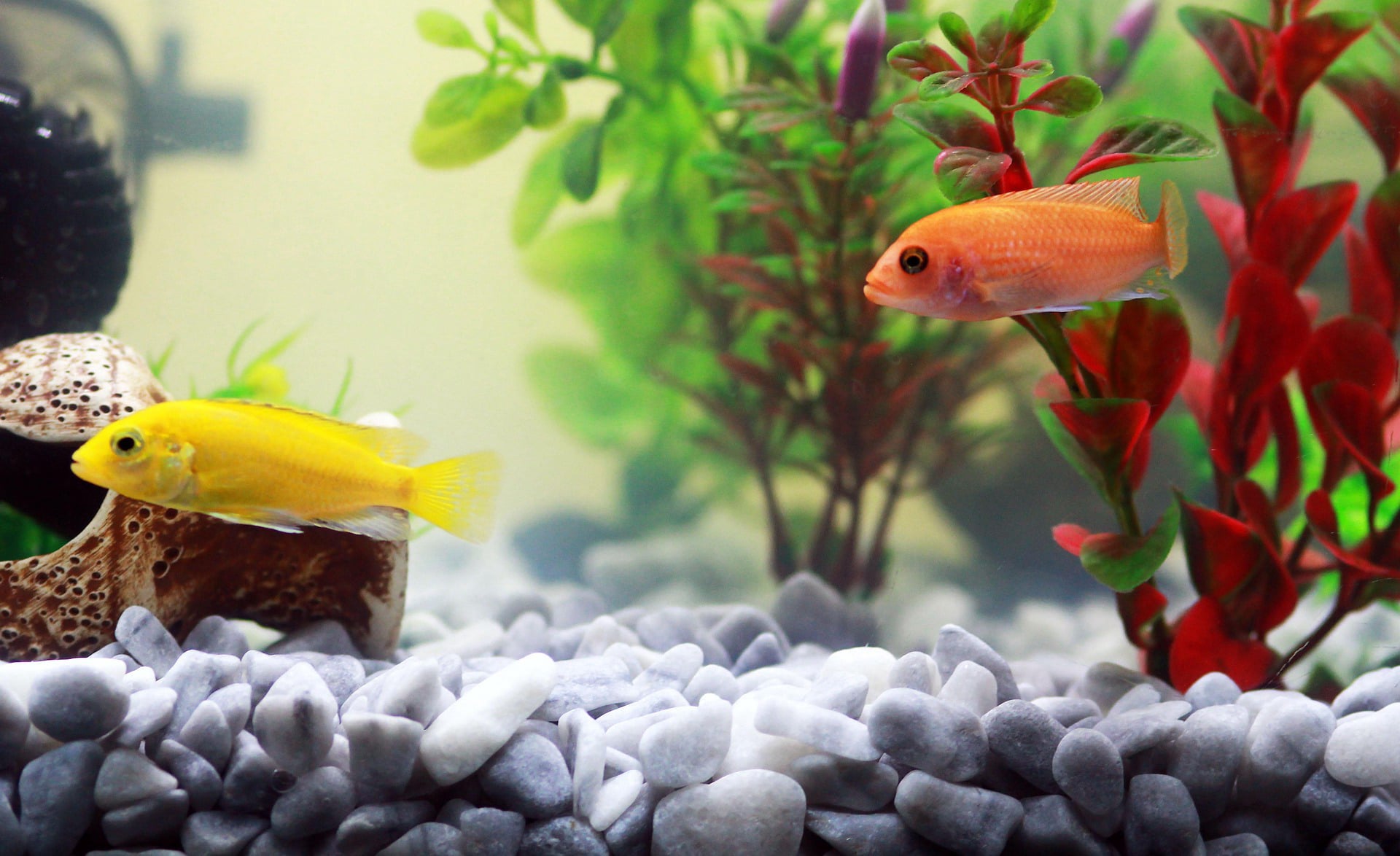
Aquariums for Hire: A Flexible Way to Add a Managed Aquatic Display
Aquariums can bring movement, colour and a sense of calm into offices, reception areas, healthcare environments, schools and hospitality spaces. They create a living focal point that changes throughout the day, yet maintaining an aquarium properly requires time, equipment and specialist knowledge. For organisations that want the visual impact of an aquarium without taking on all of the responsibilities of ownership, hiring can provide a practical alternative.
Aquariums for hire can include the tank, cabinet, filtration, lighting, livestock, decoration and ongoing maintenance as part of a managed service. The exact arrangement varies between providers, but the general idea is that a business or organisation can enjoy an aquarium while a specialist handles much of the installation, servicing and technical care. This can be particularly useful in customer-facing environments where appearance and reliability need to remain consistent.
The first decision is usually where the aquarium will be located. A reception area is an obvious choice because it allows visitors to see the display immediately, but aquariums can also work well in waiting rooms, breakout spaces, restaurants, care homes and educational environments. The surrounding layout should allow the aquarium to be viewed comfortably without creating an obstruction.
Space and structural support are important. A filled aquarium is extremely heavy, with water alone weighing roughly one kilogram per litre. The cabinet, glass, substrate, rock and equipment add further weight, so the supporting structure and floor need to be suitable.
Direct sunlight is usually best avoided because it can encourage algae and contribute to temperature fluctuations. Heat sources such as radiators can also make stable water conditions harder to maintain. Access to nearby power sockets and enough room for servicing should be considered before installation.
What a Hire Package Can Include
A managed hire arrangement can remove much of the complexity associated with aquarium ownership. Installation may include delivery of the aquarium, positioning, filtration setup, lighting, substrate, decorative materials and stocking once the biological system has been properly established.
Filtration is one of the most important elements because fish produce waste continuously. Beneficial bacteria within the filtration system process harmful compounds through the nitrogen cycle, helping to keep the water suitable for aquatic life.
A new aquarium needs time to develop this biological stability. Responsible providers should therefore avoid introducing too many fish too quickly and should monitor water quality during the early stages.
Fish selection should be based on compatibility, adult size and environmental needs rather than purely on colour. Schooling species can create attractive movement when kept in appropriate groups, while bottom-dwelling or slower-moving species can add variety without overcrowding the display.
Plants and décor can also be tailored to the setting. A natural planted aquarium may suit offices and healthcare spaces, while a simpler layout may be preferable where low-maintenance consistency is the main priority.
Routine maintenance is often one of the biggest advantages of choosing aquariums for hire. Scheduled servicing can include partial water changes, algae removal, filter maintenance, water testing and general checks on fish health.
This is especially useful in environments where staff do not have fishkeeping experience. Rather than relying on employees to understand filtration, water chemistry and livestock care, these technical responsibilities can be handled by a specialist.
Equipment maintenance also forms part of the overall reliability of the display. Filters, pumps, heaters and lighting operate for long periods and can eventually develop faults. Regular inspection can identify issues before they noticeably affect the aquarium.
Businesses should ask exactly what happens if equipment fails or livestock becomes unwell. Emergency support, replacement equipment and fish care may or may not be included depending on the agreement.
Feeding arrangements also need to be clear. In a communal environment, it is easy for several people to independently feed the fish, which can quickly lead to overfeeding and poor water quality. One nominated person or an agreed feeding system can avoid this.
Automatic feeders can sometimes be useful, although they still need to be checked and refilled.
Choosing the Right Aquarium for the Space
The best aquarium is not always the largest one available. The design should suit the room, the viewing distance and the type of environment.
A long rectangular aquarium can work well along a reception wall, while a taller display may be more appropriate where floor space is limited. Bespoke installations can sometimes be incorporated into partitions or furniture, although maintenance access should never be sacrificed purely for appearance.
Noise can also matter. Modern filtration equipment is often relatively quiet, but pumps and moving water can still produce sound. In quiet treatment rooms, offices or waiting areas, equipment choice and installation should take this into account.
Lighting has a significant effect on the appearance of the aquarium. It should provide enough illumination for viewing and any live plants without becoming overly bright or visually harsh within the wider room.
The surrounding interior can influence the style as well. A natural aquascape with wood and plants may complement a calm, contemporary office, while a colourful community aquarium may be better suited to family-facing environments.
The agreement itself should be reviewed carefully. Businesses should understand what is included in the hire fee, how often maintenance takes place, whether fish replacement is covered and what happens if the aquarium needs to be relocated.
Contract length is another factor. Some organisations may want a long-term installation, while others may only require an aquarium for a particular period or event. Flexible terms can be useful where circumstances are likely to change.
Hiring can also make it easier to refresh or upgrade the display. If the organisation moves premises or changes the layout of a reception area, the aquarium may be able to be relocated or replaced with a different size depending on the service arrangement.
For some organisations, outright purchase may still be more appropriate. Ownership makes sense where there is in-house knowledge or a separate maintenance arrangement already in place. However, the cost of ownership extends beyond the initial purchase because filters, lighting, livestock and servicing all require ongoing attention.
Hire arrangements effectively package some or all of those responsibilities into one managed service. This can make costs more predictable while reducing the technical burden on staff.
The welfare of the fish should remain central throughout. A commercial aquarium is still a living environment, and its inhabitants need stable water quality, appropriate stocking and consistent care.
A well-maintained aquarium will generally look better as a result. Healthy fish display more natural behaviour, plants remain in better condition and the overall display stays cleaner and more attractive.
Ultimately, aquariums for hire provide a flexible way for offices, schools, healthcare environments, hospitality venues and other organisations to introduce a professionally managed aquatic feature without taking full responsibility for ownership and maintenance. With the right setup, clear service agreement and consistent care, a hired aquarium can become a reliable, attractive and engaging part of the surrounding environment.