Ground Power Units: Essential Electrical Support for Aircraft Operations
Aircraft electrical systems need to remain operational during many activities that take place before departure and after arrival. Engineers may need power for maintenance and diagnostic procedures, while ground crews can require aircraft systems to remain available during preparation and servicing. Using a dedicated external supply allows these activities to take place without unnecessarily relying on the aircraft's main engines.
Ground Power Units are specialised pieces of ground-support equipment designed to provide compatible electrical power to stationary aircraft. They can support anything from routine maintenance and avionics testing to aircraft turnaround activities. Although their basic purpose is to supply electricity, aviation power requirements mean that GPUs need to deliver carefully controlled outputs appropriate to the aircraft being connected.
The requirement for external power exists because an aircraft does not become electrically inactive when its propulsion engines stop. Cockpit equipment, communications, lighting and numerous other electrical systems may still be required.
Aircraft can use an auxiliary power unit to provide electricity while on the ground, but operating an APU consumes fuel and produces noise and exhaust emissions. External ground power provides an alternative when suitable equipment is available.
For maintenance organisations, this can be particularly useful because aircraft may need to remain electrically energised for extended periods. Engineers can perform tests and diagnostic procedures without continually operating onboard generation equipment.
The electrical requirements vary considerably between aircraft. Many commercial aviation systems use 115/200V AC at 400 Hz, while other applications require DC supplies such as 28V DC. The correct GPU therefore needs to be matched to the electrical architecture of the aircraft rather than simply its physical size.
Power demand also varies according to what is being operated. Supplying a limited number of systems during maintenance may require less capacity than supporting multiple onboard systems simultaneously during a commercial turnaround.
Matching Ground Power to the Aircraft
Correct electrical output is fundamental when selecting Ground Power Units. Voltage, frequency, phase arrangement and maximum power capacity all need to correspond with the aircraft manufacturer's requirements.
Frequency is particularly important in AC aviation applications. The 400 Hz supply commonly associated with aircraft differs substantially from conventional 50 Hz UK mains electricity.
Where electricity is taken from normal airport infrastructure, frequency-conversion equipment can therefore be used to produce the appropriate aircraft supply.
Alternatively, a self-contained mobile GPU can generate the required output independently.
Mobile units remain useful because they can be transported between different aircraft and operating areas. This can make them particularly practical at remote stands, maintenance facilities and locations without permanent ground-power infrastructure.
Traditional mobile units frequently use a diesel engine to drive the generating system. They provide a self-contained source of energy but introduce the maintenance requirements associated with both an engine and electrical generator.
Fixed ground-power installations take a different approach. Where aircraft repeatedly use the same stands, electrical equipment can be permanently installed to provide external power whenever required.
This can reduce the movement of additional vehicles around the aircraft and remove the need to run a separate combustion engine purely for electrical generation.
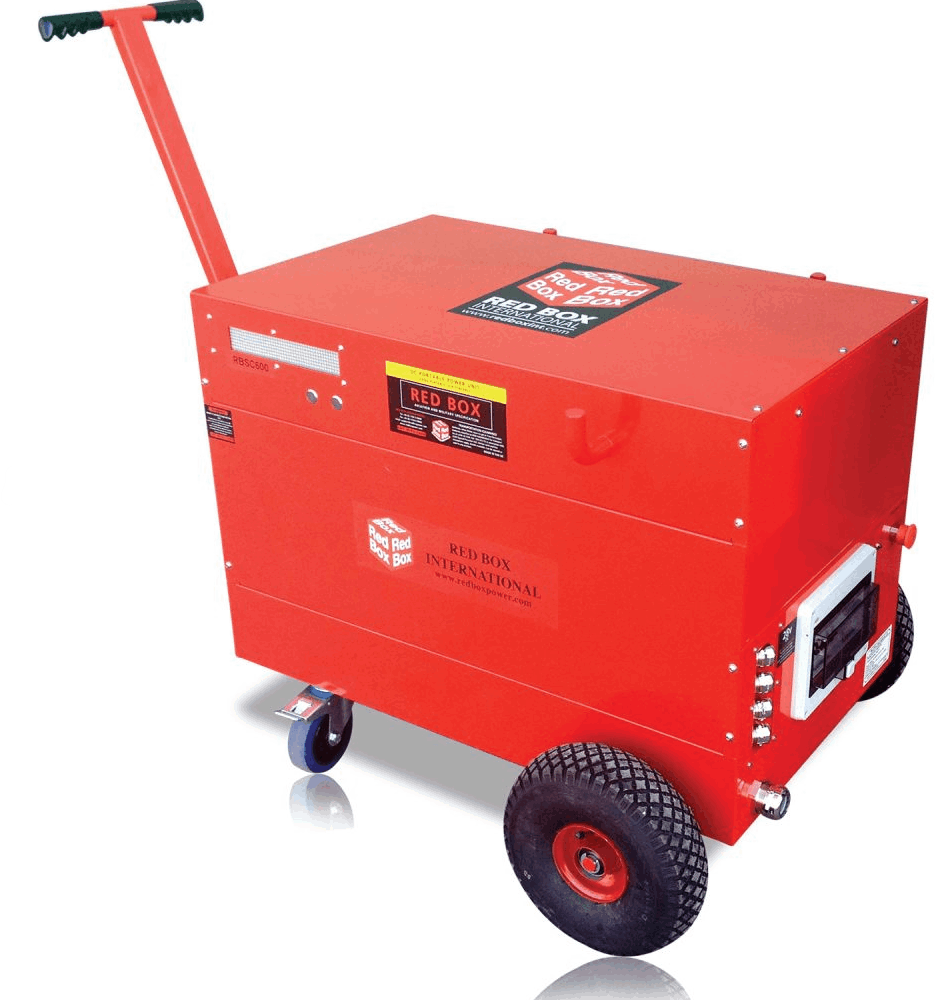
Battery-powered mobile GPUs provide another potential solution. Instead of generating electricity continuously from fuel, energy is stored within batteries and delivered when an aircraft requires it.
The suitability of battery equipment depends on its available energy capacity, required output, operating duration and opportunities for recharging between uses.
Facilities can therefore use different types of GPU for different operating scenarios rather than treating ground power as a single technology.
Power quality remains important regardless of where the electricity originates.
Aircraft can contain sophisticated electronic systems, so the external supply needs to remain within the specified operating limits. Voltage or frequency outside the acceptable range could affect connected equipment.
Ground-power systems can consequently include monitoring and regulation designed to maintain a stable output.
Protective functions can prevent or interrupt the supply when abnormal electrical conditions are detected. These might include excessive or insufficient voltage, incorrect frequency, overcurrent or other conditions depending on the design of the equipment.
The output should also remain stable when the aircraft load changes.
Switching additional onboard systems on can alter electrical demand quickly. The GPU needs to respond appropriately without allowing its output to move outside the required limits.
Ground Operations, Maintenance and Equipment Care
The reliability of a GPU depends on considerably more than its internal electrical system.
Cables and connectors experience particularly demanding service because they are handled during virtually every connection. Repeated deployment, movement and storage can gradually damage insulation and mechanical components.
Aircraft ground-power cables may also be exposed to weather, oils, dirt and other contaminants present within operational environments.
Regular visual inspection can identify abrasion, cuts, damaged connectors or signs of excessive heating.
Connector condition is particularly important because poor electrical contact can increase resistance and generate heat when substantial currents are flowing.
Keeping connectors clean and protected when not in use can therefore contribute to reliability.
Cable management is also an operational safety issue.
Aprons and maintenance areas can contain numerous vehicles and pieces of ground-support equipment. A cable running between a GPU and aircraft needs to be positioned so that it is not unnecessarily exposed to vehicle traffic or creating a hazard for personnel.
The unit itself needs appropriate positioning.
Mobile equipment should remain sufficiently clear of the aircraft to reduce collision risk while allowing the power cable to reach the connection without excessive tension.
Ground crews should also follow established procedures before moving either the aircraft or GPU. Attempting to move equipment while a ground-power cable remains connected can cause substantial damage.
Clear communication between relevant personnel can help prevent this.
Maintenance of the GPU varies according to its design.
Engine-powered equipment requires routine servicing of the prime mover. Engine oil, filters, cooling systems, fuel systems and starting equipment all contribute to overall availability.
The generator and electrical control equipment require inspection as well.
Electronic frequency converters remove the engine but still need effective thermal management. Semiconductor power electronics generate heat during operation, making cooling systems an important part of their reliability.
Ventilation openings should remain unobstructed, while cooling fans and filters may require inspection or cleaning.
High ambient temperatures can make cooling more challenging, particularly where equipment operates outdoors in direct sunlight.
Cold weather can introduce different problems for batteries, engines and other components.
Equipment specification should therefore reflect the climate and operating environment in which it will be used.
Maintenance facilities may have different priorities from commercial aircraft stands. A hangar GPU might be required to supply stable electricity continuously while engineers undertake extended diagnostic procedures.
In this environment, noise may also become more noticeable than on an open airport apron.
Commercial turnaround operations place greater emphasis on availability and speed. Equipment needs to be ready when the aircraft arrives and capable of being connected and disconnected efficiently.
A GPU failure can potentially delay servicing or require another unit to be brought to the stand.
Backup arrangements may therefore be necessary where ground power is operationally critical.
Airports supporting different aircraft can maintain equipment with varying capacities and output configurations. Clear identification reduces the possibility of an operator selecting unsuitable equipment.
Training is an equally important part of reliable operation.
Operators should understand how to verify the correct output, interpret indicators and warnings, connect cables correctly and respond if the equipment reports a fault.
They should also understand the physical hazards associated with operating ground equipment close to aircraft.
External power can contribute to wider airport efficiency too.
An aircraft's main engines are not an efficient way to generate electricity while it remains parked. APUs are designed to provide onboard support but still consume aviation fuel.
Using suitable external power can reduce the amount of time these onboard systems need to operate.
Fixed electrical systems can potentially reduce local emissions further by replacing engine-driven ground equipment with electricity supplied through airport infrastructure.
Battery-based equipment can similarly reduce local combustion emissions during operation, although its overall performance depends on charging and energy-generation arrangements.
These considerations are increasingly relevant as aviation organisations examine ways of reducing emissions from activities taking place on the ground.
However, environmental benefits should not override operational requirements. Ground power still needs to provide sufficient capacity, electrical stability and reliability for the aircraft being supported.
The best solution can consequently differ between facilities.
A smaller airport with changing aircraft positions may value mobile equipment, while a large airport with heavily utilised fixed stands may justify extensive electrical infrastructure.
Maintenance organisations may combine both approaches, using fixed supplies within hangars and mobile equipment elsewhere.
Future aircraft designs may also change the demands placed on ground infrastructure. Increased electrification could require greater electrical capacity, while advances in energy storage and power electronics may make new types of ground equipment practical.
Whatever technology provides the electricity, Ground Power Units will continue to perform the essential task of supporting aircraft systems when onboard generation is unnecessary or unavailable. Correctly matching the GPU to the aircraft, maintaining stable electrical output and managing cables, connectors and equipment condition carefully can help provide dependable power throughout maintenance, servicing and turnaround operations.