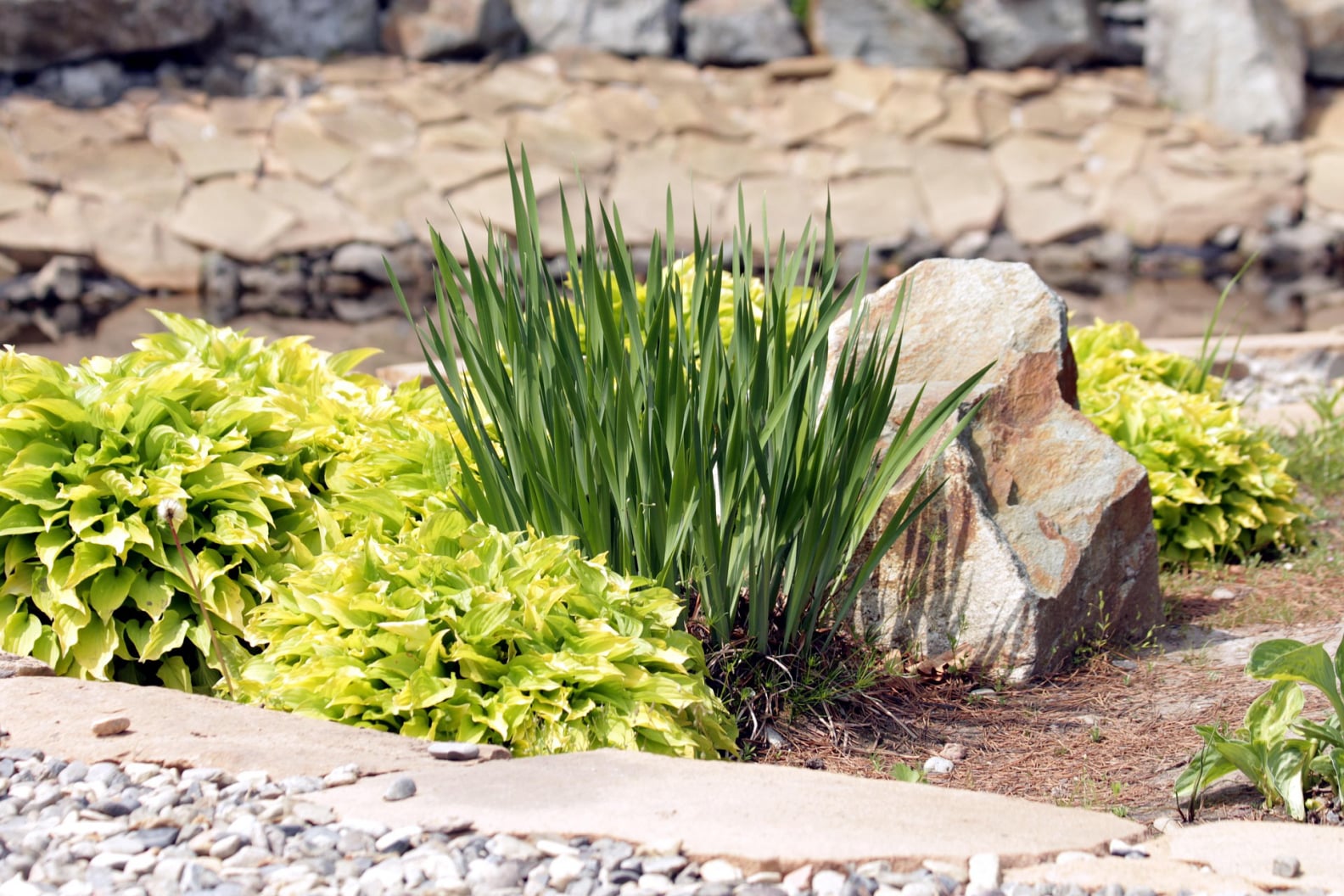
Creating Outdoor Spaces with Structure and Style
A well-designed outdoor space can transform how a property looks, feels and functions. Combining creativity with technical planning, landscape and garden design focuses on developing outdoor environments that are both visually appealing and practical for everyday use.
Landscape and garden design brings together two key elements. Landscape design focuses on the overall structure of the outdoor space, including levels, layout and hard features, while garden design adds detail through planting, colour and softer elements. When combined, these disciplines create balanced and cohesive outdoor environments.
The design process begins with a detailed site assessment. This involves evaluating the size and shape of the space, existing features, soil conditions, drainage and exposure to sunlight. Understanding how the space will be used is equally important. Whether the aim is to create a relaxing retreat, an entertaining area or a low-maintenance garden, the design is tailored to meet these needs.
One of the most important aspects of landscape and garden design is layout planning. Dividing the space into defined zones helps improve functionality and flow. These zones may include seating areas, lawns, pathways, planting beds and outdoor living spaces. A well-structured layout ensures the garden is both practical and enjoyable.
Hard landscaping forms the foundation of the design. Features such as patios, decking, retaining walls, pathways and steps provide structure and durability. Materials are selected based on both appearance and performance, with options such as natural stone, porcelain paving and timber offering long-lasting results.
Soft landscaping introduces planting and greenery, adding colour, texture and seasonal interest. Carefully selected plants, shrubs and trees are chosen to suit local conditions and maintenance preferences. A well-planned planting scheme enhances the visual appeal of the space while supporting biodiversity.
Levels and groundworks are also key considerations in landscape design. Sloping gardens or uneven ground require careful planning to ensure stability and usability. Features such as retaining walls and terracing can be used to create functional and visually interesting spaces.
Drainage is another important technical element. Poor drainage can lead to water accumulation, plant damage and surface deterioration. Professional landscape and garden design ensures that effective drainage solutions are integrated into the layout, maintaining performance in all weather conditions.
Outdoor living features are becoming increasingly popular in modern garden design. Pergolas, outdoor kitchens, fire pits and seating areas help extend living space beyond the home. These features add functionality while creating inviting spaces for relaxation and entertaining.
Lighting plays a key role in enhancing outdoor environments. Well-placed lighting improves safety, highlights key features and creates atmosphere. It allows gardens to be enjoyed during the evening while adding depth and visual interest.
Sustainability is an important consideration in contemporary landscape and garden design. Many projects now incorporate eco-friendly materials, water-efficient irrigation systems and planting that supports local wildlife. Sustainable design helps reduce environmental impact while lowering long-term maintenance requirements.
Maintenance planning is essential for long-term success. A well-designed garden should remain manageable over time. Designers often recommend suitable materials and planting schemes that require minimal upkeep while maintaining their appearance.
Professional landscape and garden design also adds value to a property. For homeowners, a well-planned outdoor space enhances lifestyle and increases appeal. For commercial properties, landscaping can improve first impressions and create welcoming environments for visitors and staff.
Project coordination is another advantage of working with experienced designers. Managing materials, timelines and installation ensures that projects run smoothly and are completed to a high standard.
Ultimately, landscape and garden design combines creativity, planning and technical expertise to deliver outdoor spaces that are both functional and visually appealing. By carefully integrating structure, planting and features, it creates environments that enhance the way outdoor spaces are used and enjoyed.